


If you want to win more games at your local court, stop trying to smash everything. The soft game is where most points are decided, and the dink is the shot that runs it.
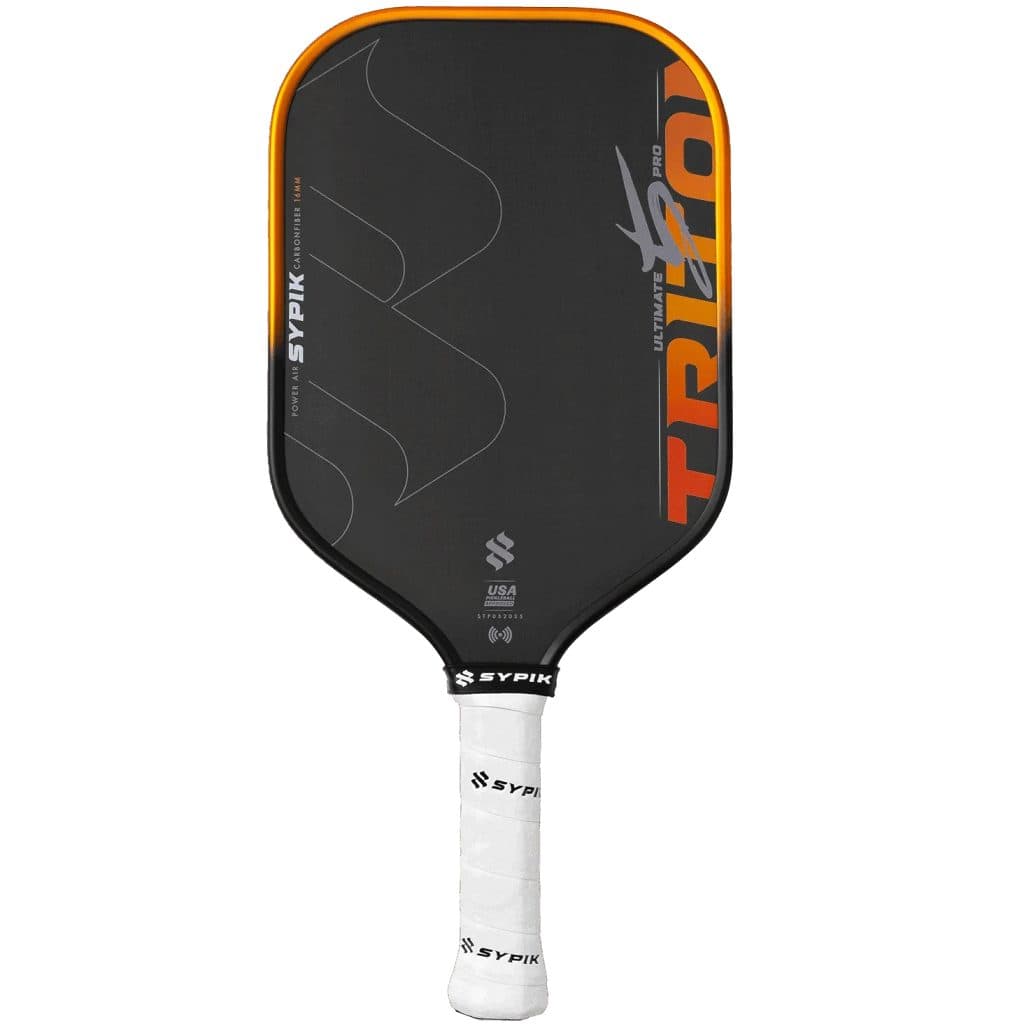
This guide covers what a dink is, how to grip and stand, and a few drills you can do with a partner. We'll use the Sypik Triton 5 16mm as our example paddle, since plenty of PaddleBag players use it.
What is a dink, really?
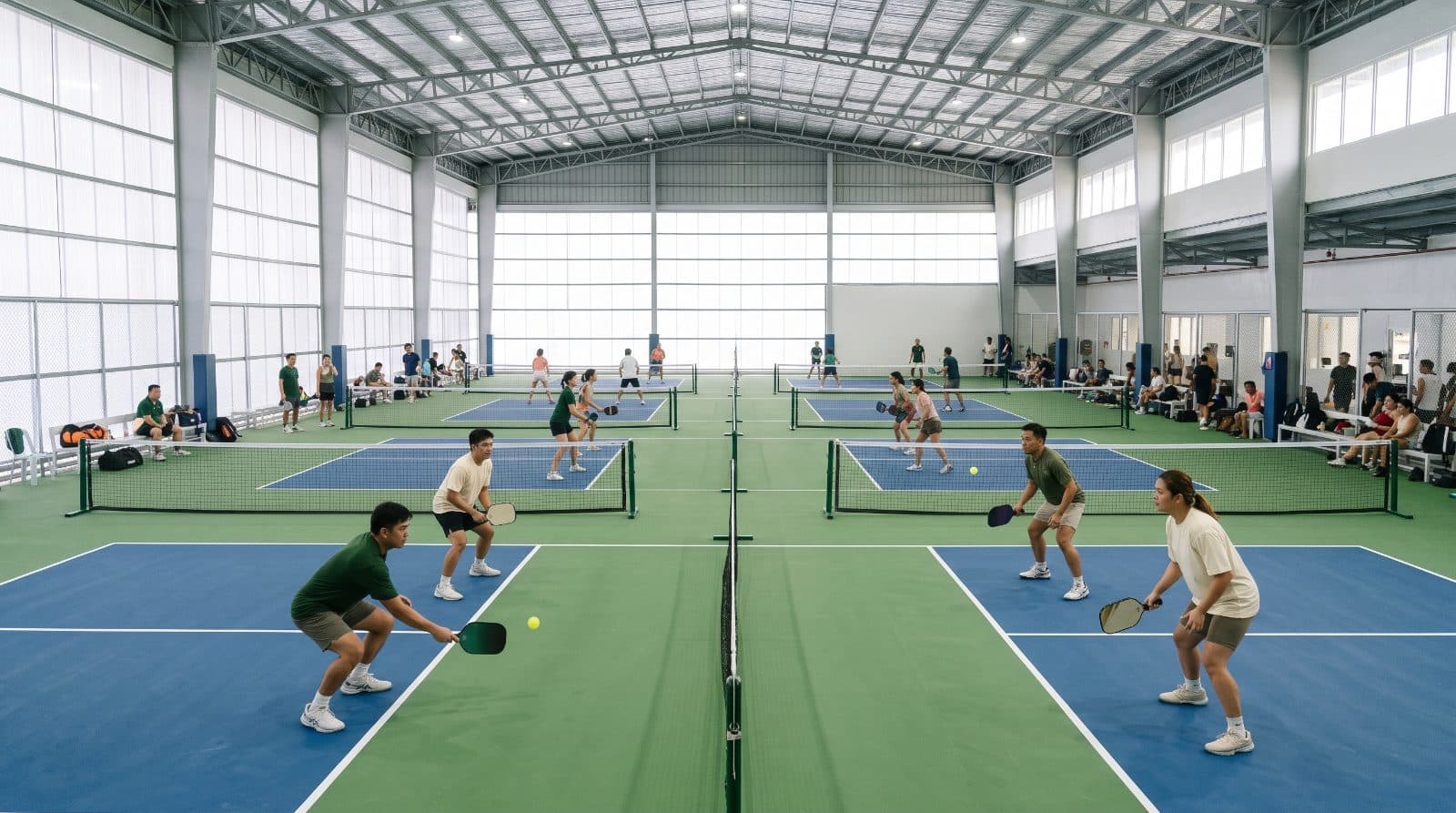
A dink is a soft shot hit from near the kitchen (the non-volley zone) that lands in the opponent's kitchen. The goal is simple: make the ball low and hard to attack so your opponent can't speed it up.
You're not trying to win the point with one dink. You're waiting for a ball that pops up, then attacking it.
Set up your grip
A tight grip kills touch. Try this:
- Hold the handle at about a 4 out of 10 pressure, firm enough to control, loose enough to feel the ball.
- Use a continental (hammer-style) grip so you can switch between forehand and backhand easily.
- Keep your wrist quiet. Dinks come from a small push of the shoulder and elbow, not a flick.
If your dinks keep sailing long, your grip is probably too tight or your wrist is too active.
Footwork and stance
- Stay balanced with knees bent. Lower your body, not just your paddle.
- Keep the paddle out in front, around chest height, ready position.
- Move your feet to the ball instead of reaching. Small side steps beat big lunges.
- Contact the ball in front of your body so you can see it and control the angle.
The swing: lift, don't hit
Think of a short, low-to-high motion. You're guiding the ball over the net with a gentle upward arc, then letting the paddle follow through a little.
Aim to clear the net by just a few inches. The lower it crosses, the harder it is to attack. Aim for the middle of the kitchen first, then work toward the sidelines and the opponent's feet.
Why paddle choice matters for the soft game
You can dink with any paddle, but how it feels affects your confidence. The Sypik Triton 5 16mm is listed at 7–8.5 oz, with an MSRP of USD 150.
Across 43 PaddleBag owners, it averages 3.9 out of 5 overall, with control also at 3.9, power at 3.9, and spin at 4. That balance is why it's often called an all-court paddle: it isn't tilted too far toward power or touch.
One PaddleBag player said they like all-court paddles because it suits their playing style, and another said it has super power. That's helpful to know for dinking: a paddle with plenty of pop means you'll need to shorten your swing and soften your touch at the kitchen. Let the paddle do the work instead of adding more arm.